When it comes to installing a wood-burning stove, fireplace, or other heating appliances, safety and efficiency are paramount. One essential component that ensures both is the insulated flue kit. This guide explores what insulated flue kits are, why they are necessary, how to install them, and tips for maintaining them for long-term use.
What is an Insulated Flue Kit?
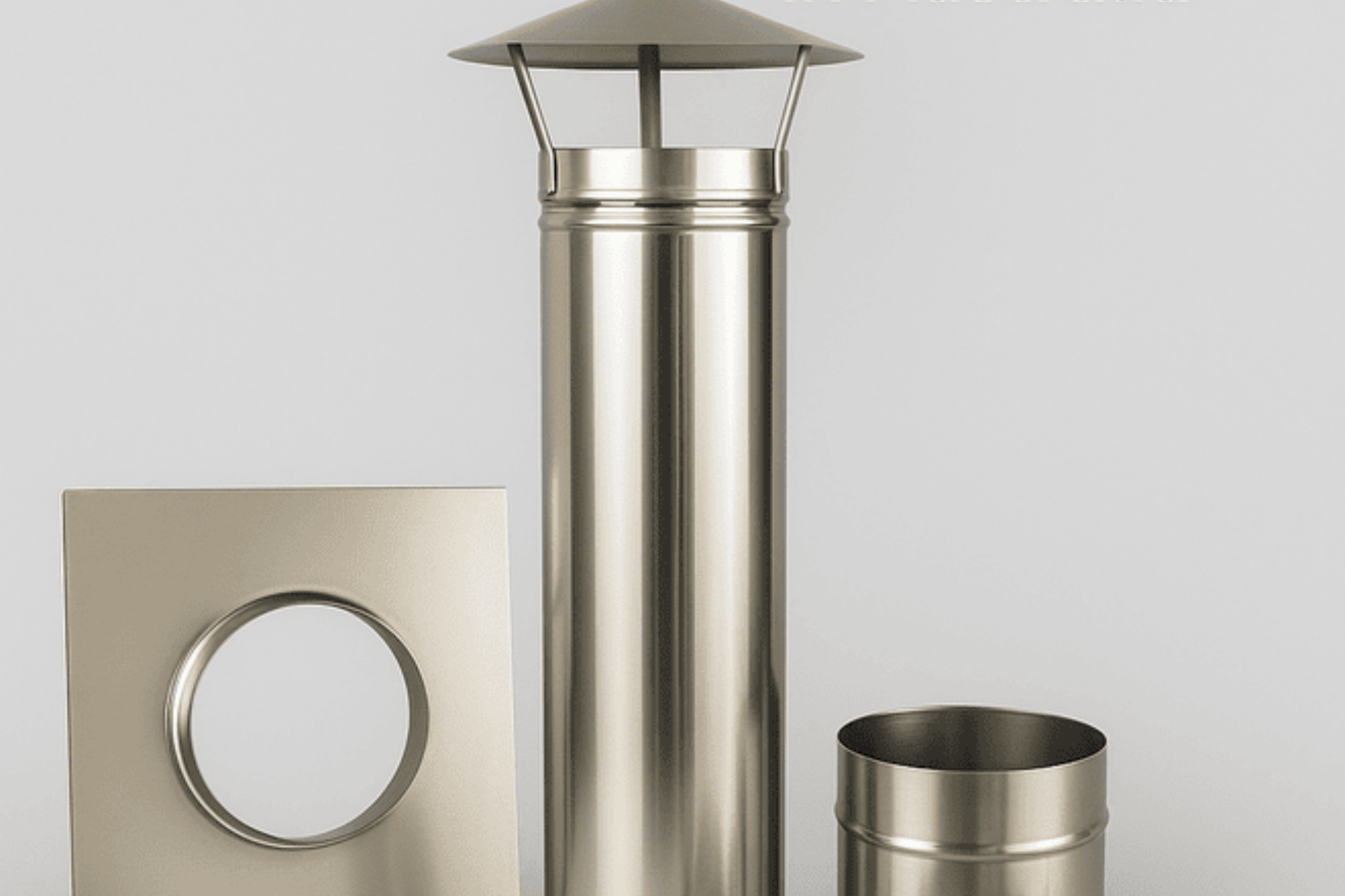
An insulated flue kit is a system of pipes designed to safely channel smoke and gases from a stove or fireplace to the outside atmosphere. Unlike standard flue pipes, these kits feature insulated walls that maintain higher flue gas temperatures, reduce condensation, and improve draft efficiency.
Typically, an insulated flue kit consists of:
- Inner Pipe: Usually made of stainless steel, carrying the flue gases.
- Insulation Layer: Often ceramic or mineral wool, preventing heat loss.
- Outer Pipe: A durable stainless-steel casing that protects the insulation and adds structural strength.
- Connecting Components: Elbows, tees, and terminals for a seamless installation.
By maintaining high temperatures inside the flue, the kit minimizes soot buildup, reduces creosote formation, and ensures your heating appliance works efficiently.
Why You Need an Insulated Flue Kit
There are several reasons why an insulated flue kit is a must-have for modern stoves and fireplaces:
Safety First
Uninsulated flues can allow gases like carbon monoxide to leak into living spaces. Insulated flues contain and channel these gases safely outside.
Improved Efficiency
By retaining heat within the flue, these systems enhance draft efficiency, making your stove burn hotter and cleaner, ultimately saving fuel.
Condensation Prevention
Condensation in flue pipes can cause rust and deterioration. Insulation keeps the internal temperature high enough to prevent moisture buildup.
Versatile Installation
Insulated flue kits are suitable for both internal and external installations. External flues often need insulation to prevent heat loss, which these kits provide.
Compliance with Building Codes
Many countries require insulated flue kits for wood-burning stoves to comply with safety standards, including clearance from combustible materials.
Types of Insulated Flue Kits
When selecting a flue kit, it’s essential to understand the types available:
Single-Wall Flue
Ideal for internal runs with adequate clearance. Less expensive but requires more clearance from combustible materials.
Double-Wall Flue
Perfect for both internal and external runs. The outer wall stays cooler, reducing fire risks and heat loss.
Twin-Wall Insulated Flue
This is the premium option, combining durability, safety, and efficiency. The inner wall carries the gases, the insulation maintains heat, and the outer wall protects your home structure.
How to Install an Insulated Flue Kit
Installation is straightforward if you follow safety guidelines. However, hiring a professional installer is always recommended. Here’s a simplified step-by-step guide:
Plan Your Flue Route
Measure the distance from your stove to the chimney exit. Plan bends and connections to ensure smooth airflow.
Ensure Clearance
Check the required clearances to walls, ceilings, and roof structures as per manufacturer guidelines.
Assemble the Flue Components
- Connect the inner pipe sections.
- Insert the insulation layer.
- Fit the outer casing and secure with clamps.
- Use elbows and tees as needed for bends.
Secure the Chimney Termination
Install the chimney cowl or terminal at the roof exit. Ensure it’s above the roofline to promote a proper draft.
Seal and Inspect
Seal joints with high-temperature silicone if necessary. Inspect all connections for stability and compliance with safety codes.
Maintenance Tips for Longevity
Proper maintenance ensures safety and optimal performance:
- Annual Cleaning: Remove soot and creosote build-up from the inner pipe.
- Check Insulation: Inspect for compression or damage.
- Visual Inspection: Look for rust, corrosion, or joint gaps.
- Professional Servicing: Have your flue checked every year by a certified technician.
Common Mistakes to Avoid
- Using Uninsulated Pipes Outside: Leads to condensation and corrosion.
- Improper Clearance: Can cause fire hazards.
- Skipping Professional Installation: DIY may save cost but risks safety violations.
- Neglecting Cleaning: Increases the risk of chimney fires.
Benefits Beyond Safety
Besides preventing accidents, insulated flue kits offer additional advantages:
- Reduced heating bills due to better stove efficiency.
- Enhanced stove performance with better combustion.
- Less environmental impact due to cleaner burning.
- Peace of mind knowing your home is safe from flue-related hazards.
Choosing the Right Insulated Flue Kit
Consider these factors before purchasing:
- Material: Stainless steel is durable and resistant to corrosion.
- Diameter: Must match your stove outlet for efficient draft.
- Length: Ensure enough run for safe venting.
- Insulation Thickness: Thicker insulation reduces heat loss, ideal for external runs.
- Certification: Look for CE or equivalent certifications for safety compliance.
Conclusion
An insulated flue kit is an indispensable part of any wood-burning stove or fireplace system. It ensures safety, improves efficiency, prevents condensation, and prolongs the lifespan of your heating appliance. Whether you’re installing a new stove or upgrading an old system, investing in a high-quality insulated flue kit is a smart decision. By following proper installation and maintenance practices, you can enjoy a warm, safe, and efficient home for years to come.