A wood burner is an excellent way to heat your home efficiently while enjoying the cozy ambiance of a real fire. However, one critical component that ensures your wood burner functions safely and efficiently is the flue pipe. Often overlooked, the flue pipe plays a vital role in venting smoke, gases, and moisture safely out of your home. In this blog, we’ll explore everything you need to know about wood burner flue, including their types, installation tips, safety measures, and maintenance practices.
What is a Wood Burner Flue Pipe?
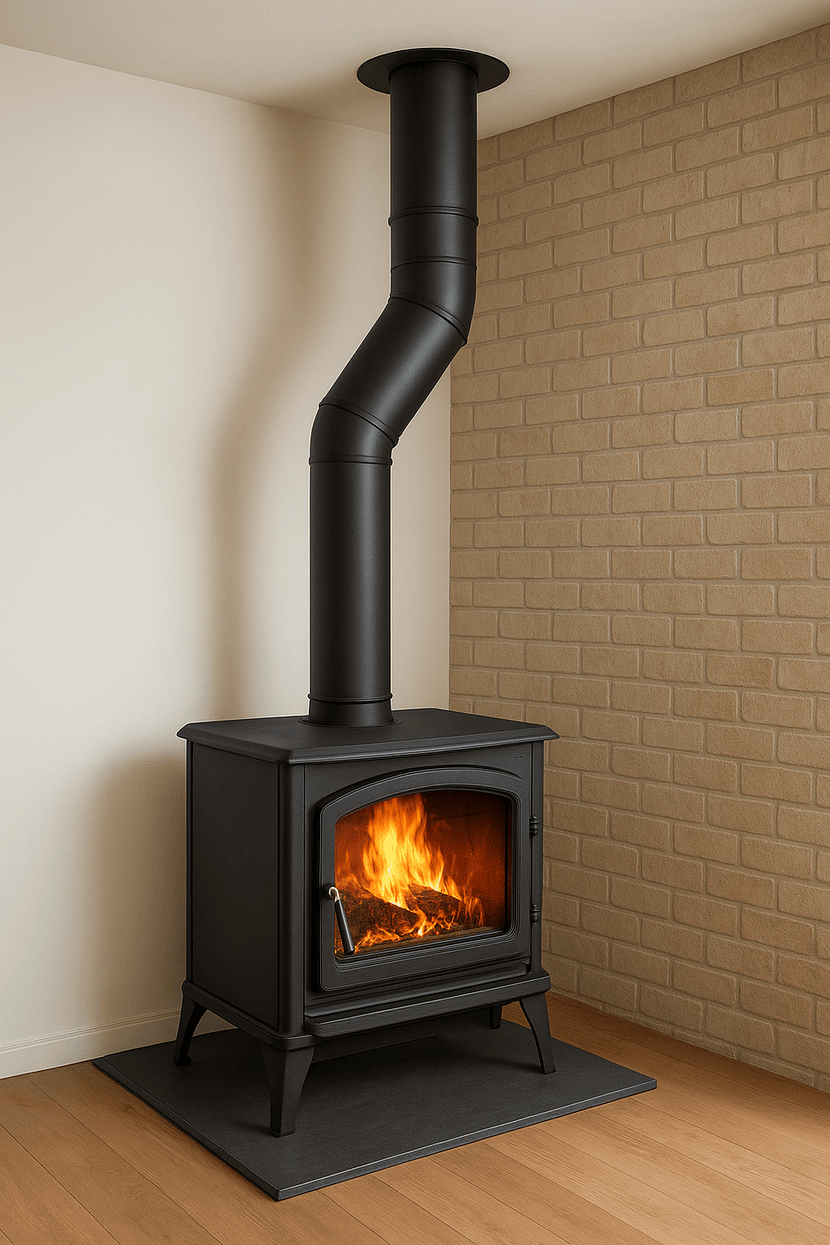
A wood burner flue pipe is a conduit that channels the smoke and combustion gases from your stove to the outside atmosphere. Essentially, it acts as the lungs of your wood burner, ensuring that harmful gases like carbon monoxide are safely expelled while maintaining the fire’s efficiency. Flue pipes also help create the draft necessary for proper combustion, making your stove more effective in heating your space.
Types of Wood Burner Flue Pipes
Flue pipes come in various types, and selecting the right one depends on your stove type, installation location, and heating requirements. Here are the most common types:
Single-Wall Flue Pipe
- Description: Single-wall pipes are typically made of stainless steel or black steel.
- Advantages: Easy to install and cost-effective.
- Drawbacks: They require clearance from combustible materials and may not provide optimal heat retention.
Twin-Wall Flue Pipe
- Description: Twin-wall flue pipes have an inner and outer layer with insulation in between.
- Advantages: They retain heat better, reduce creosote buildup, and can be installed closer to walls.
- Drawbacks: More expensive than single-wall pipes.
Flexible Flue Pipe
- Description: Made from stainless steel, these pipes can bend to fit tight spaces.
- Advantages: Ideal for complicated installations or where rigid pipes cannot fit.
- Drawbacks: They may not be suitable for long vertical runs and can accumulate soot more quickly.
Class 1 and Class 2 Flues
- Class 1: Suitable for all solid fuel appliances and can handle high temperatures.
- Class 2: Generally for gas appliances, not recommended for wood burners due to higher temperatures.
How to Choose the Right Flue Pipe
Choosing the right flue pipe is critical for safety and efficiency. Consider these factors:
- Material: Stainless steel is durable and resistant to corrosion. Black steel is affordable but may rust over time.
- Diameter: Check the stove manufacturer’s recommendations. A pipe that is too small can cause poor draft, while one too large can reduce stove efficiency.
- Length and Height: A longer and taller flue increases draft but may need additional support and safety measures.
- Clearances: Ensure proper distance from combustible materials, as recommended by local building codes.
Installation Tips for Wood Burner Flue Pipes
Proper installation of your flue pipe is crucial for safety, efficiency, and longevity. Here are some essential tips:
Follow Manufacturer Guidelines
Always refer to the stove manufacturer’s installation instructions, including recommended pipe diameter, clearances, and length.
Ensure Adequate Draft
Draft is the upward pull of air through the stove and flue. Insufficient draft can cause smoke to enter your home. To improve draft:
- Keep the flue straight and as vertical as possible.
- Minimize bends; each 90-degree bend reduces efficiency.
- Extend the flue above the roofline according to local regulations.
Maintain Proper Clearances
Single-wall pipes require more space from walls and ceilings than twin-wall pipes. Clearance distances usually range from 2 to 18 inches depending on the type and material.
Seal Joints Properly
Ensure all pipe joints are sealed to prevent smoke leakage. High-temperature silicone or flue cement is commonly used.
Install a Chimney Cap
A chimney cap prevents rain, debris, and animals from entering the flue, reducing maintenance issues and improving draft efficiency.
Safety Considerations
Safety is paramount when installing a wood burner flue pipe. Ignoring proper installation or maintenance can lead to fire hazards and dangerous smoke leaks. Key safety tips include:
- Carbon Monoxide Detection: Always install a carbon monoxide detector near your wood burner.
- Heat Shields: Use heat shields around walls and ceilings to prevent fire hazards.
- Regular Inspection: Inspect the flue annually for cracks, corrosion, or blockages.
- Creosote Management: Creosote buildup is highly flammable. Regular cleaning reduces the risk of chimney fires.
Maintenance of Wood Burner Flue Pipes
Regular maintenance ensures efficiency and longevity. Some essential maintenance tasks include:
Annual Cleaning
Use a chimney brush to remove soot and creosote from the flue. Annual cleaning is recommended, especially for high-use stoves.
Check for Leaks and Corrosion
Inspect the flue pipe for rust, cracks, or gaps. Replace any damaged sections immediately.
Monitor Draft Performance
If smoke enters the room instead of going up the flue, it may indicate blockages or draft issues. Cleaning or adjusting the flue may be necessary.
Flue Pipe Replacement
Flue pipes typically last 10–15 years, depending on material and usage. Regular inspections will indicate when replacement is needed.
Common Problems with Flue Pipes
Understanding common issues can help you troubleshoot problems quickly:
- Smoke Backflow: Usually caused by insufficient draft or blockages.
- Creosote Buildup: Often results from burning wet wood or low-temperature fires.
- Rust or Corrosion: Common in black steel pipes or damp environments.
- Leaks: Can occur at joints or damaged sections, causing smoke and heat hazards.
Tips for Maximizing Efficiency
To make the most of your wood burner and flue pipe:
- Burn dry, seasoned wood to reduce creosote buildup.
- Maintain a hot fire to prevent smoke stagnation.
- Ensure the flue is the correct height for your stove and home layout.
- Consider a twin-wall flue for better heat retention and reduced condensation.
Legal and Building Regulations
Before installing a wood burner flue pipe, check local building codes. Many regions have strict rules regarding:
- Minimum flue height above the roof.
- Distance from combustible materials.
- Approved materials for flue pipes.
- Installation by certified professionals for safety compliance.
Following these regulations is not just a legal requirement—it significantly reduces the risk of fire hazards.
Conclusion
A wood burner flue pipe is more than just a chimney; it is the lifeline of your stove, ensuring proper ventilation, safety, and heating efficiency. Choosing the right type, installing it correctly, and maintaining it regularly are essential steps to enjoy a warm, safe, and smoke-free home.
Whether you are installing a new wood burner or upgrading an old system, investing time in understanding flue pipes will pay off with better performance and peace of mind. Always prioritize safety, follow guidelines, and consult professionals when needed.