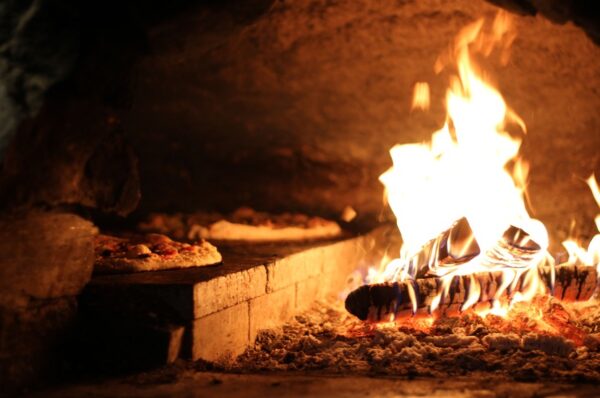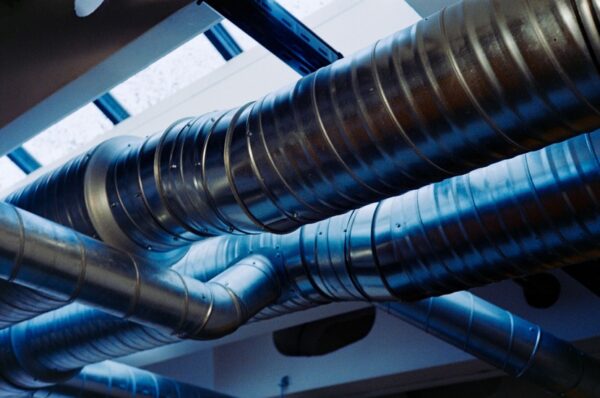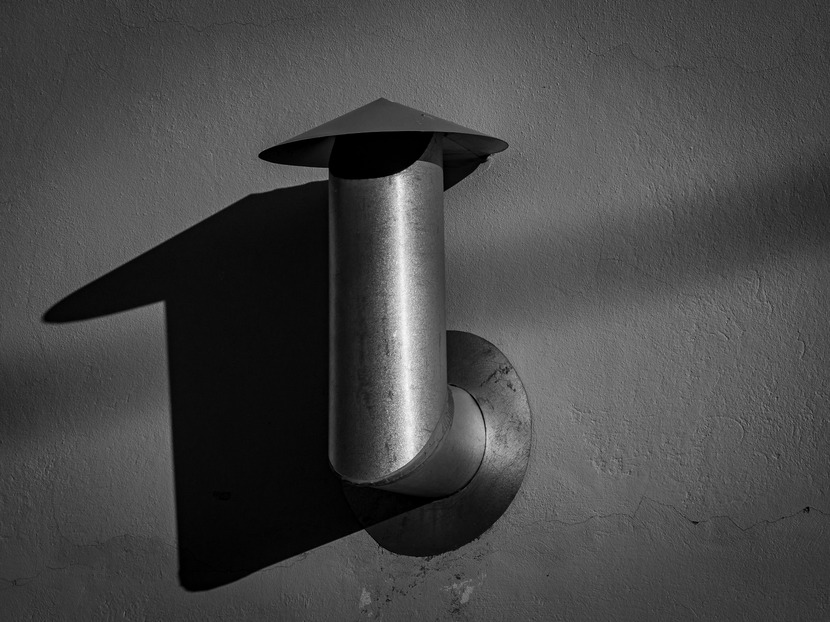
Installing a wood heater, fireplace, or other solid-fuel heating appliance involves more than simply choosing the right heater. The flue system is equally important because it helps safely carry smoke and combustion gases away from the living area. An Insulated flue kit is designed to provide a safer and more effective way to manage these gases while maintaining appropriate clearance from surrounding materials.
Whether you are installing a new heating system or replacing an existing flue, understanding how an insulated flue works can help you make a more informed choice.
What Is an Insulated Flue Kit?
An insulated flue kit is a complete flue system that includes insulation around the flue pipe. The insulation helps control the temperature of the outer surface while the inner flue carries hot gases away from the heating appliance.
These kits can include different components depending on the installation, such as inner flue sections, outer casing, ceiling components, flashing, cowl, brackets, and other connection parts.
The exact components required depend on the heater, building design, roof type, and installation requirements.
Why Is Insulation Important?
A flue can become extremely hot while a wood heater is operating. If the hot flue is positioned too close to combustible materials, it can create a fire risk.
The insulated construction provides a layer of protection around the hot inner flue. This helps reduce heat transfer to nearby building materials and allows the flue system to maintain the required clearances when installed correctly.
However, insulation does not remove the need for proper installation. Clearances, ventilation, flashing, and other requirements must still be followed according to the manufacturer’s instructions and applicable building and safety regulations.
Better Heat Management
Another benefit of an insulated flue kit is improved heat management. Insulation helps keep the flue gases hotter as they travel upward through the chimney system.
Maintaining appropriate flue-gas temperature can support stronger natural draft in many installations. A suitable draft helps combustion gases move efficiently through the flue rather than allowing smoke to flow back into the room.
The actual performance depends on the heater, flue design, installation height, weather conditions, and other factors.
Suitable for Wood Heaters
Insulated flue systems are commonly used with wood-burning heaters and fireplaces where high flue temperatures are expected.
Wood heaters produce smoke and combustion gases that need to be safely discharged outside the building. A properly designed flue creates a controlled pathway from the heater to the outdoors.
When choosing a flue kit, it is important to confirm that it is compatible with the specific heating appliance. Different heaters can have different flue requirements, so a generic component may not always be suitable.
Important Components of a Flue Kit
A complete flue installation may contain several parts, and each component has a specific purpose.
Inner Flue
The inner flue carries smoke and combustion gases away from the heater. It is exposed to high temperatures and therefore needs to be made from suitable materials.
Outer Casing
The outer casing surrounds the insulated flue system and provides additional protection. It also forms part of the overall chimney structure.
Ceiling Components
Where the flue passes through a ceiling, appropriate components are required to maintain safe clearances from combustible building materials.
Roof Flashing
Flashing helps create a weather-resistant seal where the flue passes through the roof. The correct flashing solution depends on the roof material and installation design.
Cowl
A cowl is fitted at the top of the flue. Its design can help protect the flue opening from weather and other environmental conditions.
Choosing the Right Insulated Flue Kit
Selecting an insulated flue kit should always begin with the heating appliance. Check the manufacturer’s specifications to determine the required flue diameter, components, and installation method.
You should also consider the building layout. The flue may need to pass through ceilings, floors, or the roof, and each section needs to be planned carefully.
Roof type is another consideration. Metal, tile, and other roofing materials may require different flashing arrangements.
The height and position of the flue termination can also affect performance and compliance. Local regulations and installation requirements should be checked before work begins.
Professional Installation Matters
A flue system is an important safety component of a heating installation. Incorrect assembly or inadequate clearances can create serious risks.
For this reason, installation should be carried out according to the heater and flue manufacturer’s instructions and applicable local requirements. A qualified professional can assess the building structure, determine suitable clearances, and install the system correctly.
After installation, regular inspection and maintenance are also important. The flue should be kept in suitable condition, and any buildup or damage should be addressed promptly.
Maintenance and Regular Checks
Even a properly installed flue requires attention over time. Wood combustion can produce soot and other deposits that may accumulate inside the flue.
Regular cleaning and inspection can help maintain airflow and reduce the risk associated with excessive buildup. The frequency of maintenance depends on usage, fuel quality, appliance type, and manufacturer recommendations.
It is also worth checking external components for signs of corrosion, damage, or weather-related deterioration.
Final Thoughts
An insulated flue kit is an important part of many wood-heating installations. Its insulated construction helps manage heat, maintain appropriate clearances, and provide a controlled pathway for combustion gases to exit the building.
Choosing the correct kit requires attention to the heater model, flue size, building structure, roof type, and applicable safety requirements. Professional installation and regular maintenance are equally important.
When the right components are selected and installed correctly, an insulated flue system can support the safe and efficient operation of a wood heater while helping protect the surrounding structure.