When it comes to modern heating systems—whether wood heaters, fireplaces, gas stoves, or pellet burners—one component plays a crucial role in safety and performance: the insulated flue kit. This essential system ensures proper smoke ventilation, maintains high energy efficiency, prevents heat loss, and protects the structure of your home or commercial building. As heating appliances continue to evolve, insulated flue kits have become the industry standard, especially in regions that experience colder climates or have strict safety regulations.
In this comprehensive guide, we explore everything you need to know about insulated flue kits—from how they work and why they are crucial, to installation tips, compliance requirements, benefits, and how to choose the right one for your heating appliance.
What Is an Insulated Flue Kit?
An insulated flue kit is a system of double- or triple-walled stainless-steel pipes designed to safely expel combustion gases from heaters, fireplaces, and stoves. Unlike a single-wall flue, insulated kits include a thermal barrier—usually ceramic fiber or mineral wool—between layers of metal. This insulation helps maintain stable internal temperatures, supports efficient drafting, and prevents the outer surface from becoming dangerously hot.
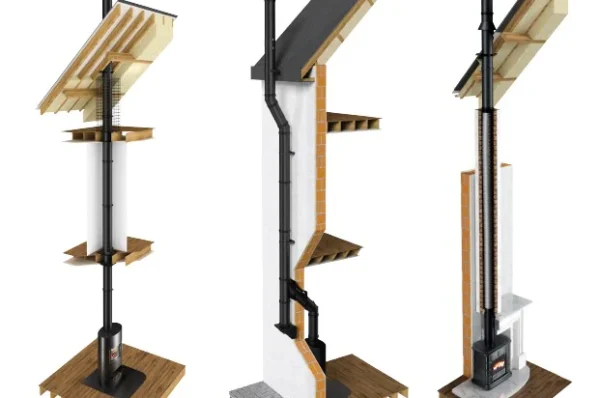
A standard insulated flue kit typically includes:
- Insulated flue pipes
- Outer casing or chimney pipe
- Roof penetration components
- Flashing & storm collars
- Ceiling plates
- Firestops or spacers
- Terminal cowl or rain cap
- Silicon sealing materials
- Brackets and support components
These complete packages make installation faster and safer, ensuring compatibility across all components.
How an Insulated Flue Kit Works
A heating appliance generates smoke and hot gases that must travel upward and exit the home. The insulated flue system ensures:
Stable Internal Temperatures
The insulation keeps flue gases warm, which improves draft—the upward movement of smoke. Strong draft prevents smoke from leaking back into the room.
Reduced Condensation
Cool flues cause condensation, leading to creosote buildup and corrosion. Insulation prevents this temperature drop.
Heat Protection
Because the outer wall stays cooler, insulated flue kits drastically reduce the risk of structural fires.
Enhanced Appliance Efficiency
Better draft means the heating appliance burns fuel more efficiently, saving energy and reducing emissions.
Why Insulated Flue Kits Are Essential
Insulated flue kits provide important advantages over traditional single-wall flues:
Fire Safety
Uninsulated or poorly installed flues can ignite nearby timber or structures. Insulated kits significantly reduce radiant heat, making them compliant with strict safety standards.
Compliance with Building Codes
In many regions, insulated flue systems are mandatory for passing inspection and meeting fire protection guidelines.
Longer Lifespan
High-quality insulated flues resist:
- Corrosion
- Creosote buildup
- Thermal shock
- Weather exposure
This makes them a long-term investment.
Performance in All Climates
Whether in cold or hot regions, the insulation protects against temperature fluctuations that could affect performance.
Types of Insulated Flue Kits
Twin-Wall Insulated Flue Kits
These feature two stainless-steel walls with insulation in between. They are the most common for residential fireplaces and heaters.
Triple-Wall Flue Systems
Often used in commercial applications or high-heat appliances, offering extra protection and structural integrity.
Flexible Insulated Flue Liners
Useful for older buildings or chimneys where rigid pipes cannot fit through existing masonry.
Custom-Built Flue Kits
These are tailored for unusual installations, including:
- High-rise buildings
- Wide-span commercial kitchens
- Industrial furnaces
Key Components of an Insulated Flue Kit
Flue Pipes
The heart of the system, manufactured from 304 or 316-grade stainless steel for maximum durability.
Roof Flashing
Prevents water from entering at the roof penetration point.
Storm Collar
Shields the flashing pipe joint against rain and wind.
Ceiling & Wall Plates
Provides a neat, fire-safe finish around the pipe.
Cowl or Flue Cap
Prevents rain, debris, and birds from entering the chimney.
Firestop Spacers
Maintain safe clearance from combustible materials.
Brackets & Supports
Used when the flue extends beyond the roof or needs structural stability.
Choosing the Right Insulated Flue Kit
Selecting the correct kit depends on several factors:
Fuel Type
Different appliances produce different temperatures:
- Wood heaters require high-temperature flues
- Gas fireplaces can use lighter-grade systems
- Pellet heaters need draft-optimized flues
Flue Diameter
Common diameters include 6″, 8″, and 10″ depending on the appliance’s exhaust output.
Length of the Flue Run
Tall homes may require additional pipe segments, support brackets, and stabilizers.
Roof Type
Metal roofs, tile roofs, and flat roofs need different flashing solutions.
Local Regulations
Always choose options compliant with:
- Building codes
- Fire safety standards
- Manufacturer installation guidelines
Installation Guide for Insulated Flue Kits
Although professional installation is recommended, understanding the process helps homeowners ensure everything is done right.
Planning the Route
The flue must run vertically whenever possible, with minimal bends.
Maintaining Clearances
Insulated flue pipes require minimum distances from:
- Timber beams
- Ceiling materials
- Roof structures
Clearance values vary based on system design.
Roof Penetration
A hole is cut carefully, ensuring:
- Correct flashing size
- Leak-proof sealing
- Proper alignment
Assembling the Flue
Pipes are locked together with twist-lock or screw-based systems. Each joint is secured to maintain airtight performance.
Attaching the Cowl
The top cowl ensures smoke exits efficiently while protecting against weather and blockages.
Final Safety Checks
A certified installer ensures the system:
- Is sealed
- Has correct clearance
- Draws properly
- Meets legal standards
Common Problems With Non-Insulated Flue Systems
Homeowners often experience issues when using outdated single-wall flues:
Smoke Leakage
Poor draft causes smoke to enter indoor spaces.
Excess Creosote Build-Up
A major fire risk caused by condensation inside cold pipes.
Structural Fire Hazards
Heat conducted through non-insulated pipes can ignite nearby materials.
Poor Heating Efficiency
A cold flue forces the appliance to work harder, consuming more fuel.
Corrosion
Moisture buildup accelerates rust and pipe deterioration.
Insulated kits solve all of these problems efficiently.
Maintenance Tips for Insulated Flue Kits
To maximize performance:
Annual Chimney Sweep
Recommended for wood heaters to reduce creosote buildup.
Check for Leaks
Inspect joints and flashing every season.
Clean the Cowl
Remove blockages, nests, ash, and debris.
Inspect Insulation Integrity
Ensure there is no damage from heat or moisture.
Replace Worn Components
If you notice corrosion, dents, or degraded insulation, replace affected parts promptly.
Advantages of Using an Insulated Flue Kit
Better Heat Efficiency
Warmer flue gases translate to better appliance performance and reduced fuel consumption.
Reduced Fire Risk
Insulation keeps outer surfaces cool, enhancing safety.
Cost-Effective in the Long Run
Though slightly more expensive upfront, insulated kits reduce maintenance and repair costs.
Aesthetically Neat Installation
Modern designs look clean and professional, indoors and outdoors.
Long Lasting
Quality insulated flue kits can last decades with proper care.
Applications of Insulated Flue Kits
Insulated flue kits are used for:
- Wood heaters
- Wood fireplaces
- Gas fireplaces
- Pellet heaters
- Outdoor fire pits
- Commercial stoves
- Industrial heating units
- Pizza ovens
- Boiler systems
They are suitable for homes, cabins, restaurants, warehouses, and commercial buildings.
Conclusion:
An insulated flue kit is not just an accessory—it is a vital safety and performance component for any heating appliance. From preventing fire hazards to improving heating efficiency and meeting building code requirements, insulated flue systems provide unmatched advantages. Whether you’re installing a new fireplace or upgrading an old flue, choosing a high-quality insulated system ensures long-term reliability, safety, and comfort.