When it comes to installing a stove, fireplace, or boiler, the importance of a proper flue system cannot be overstated. An insulated flue kit plays a critical role in ensuring the safe, efficient, and long-lasting operation of your heating system. This article provides an in-depth look at insulated flue kits, their benefits, installation considerations, and why they are essential for modern homes.
What is an Insulated Flue Kit?
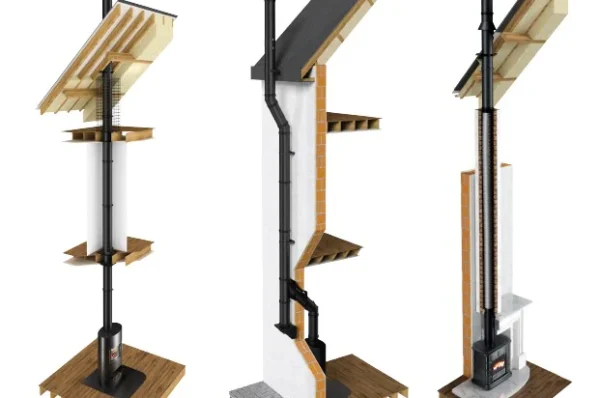
An insulated flue kit is a pre-fabricated, ready-to-install system designed to safely vent combustion gases from stoves, boilers, or fireplaces to the outside atmosphere. Unlike traditional single-wall flues, an insulated flue kit incorporates a layer of high-quality insulation between the inner and outer walls of the flue pipe.
This insulation helps maintain high flue gas temperatures, preventing condensation, improving draft efficiency, and ensuring safe operation in various building types, including homes with strict building regulations.
Components of an Insulated Flue Kit
A typical insulated flue kit consists of several essential components:
- Inner Flue Pipe – The main pipe through which combustion gases pass. It is usually made of stainless steel to resist corrosion and withstand high temperatures.
- Insulation Layer – Surrounds the inner pipe, maintaining flue gas temperature and preventing heat loss.
- Outer Sleeve or Pipe – Protects the insulation and inner pipe while providing a neat exterior finish.
- Wall and Roof Flashings – Seal the flue at points where it passes through walls or roofs to prevent leaks.
- Termination Cowl – The top component that allows gases to exit safely while preventing rain, debris, or birds from entering the flue.
- Support Brackets and Fixings – Ensure stability and compliance with building regulations.
Why Choose an Insulated Flue Kit?
Enhanced Safety
One of the primary benefits of an insulated flue kit is safety. The insulation reduces the risk of the outer pipe becoming too hot, preventing fire hazards and protecting surrounding structures. Additionally, it helps contain potentially harmful combustion gases, directing them safely outside.
Improved Efficiency
By maintaining high flue gas temperatures, an insulated flue kit improves the natural draft of your stove or boiler. This efficient airflow ensures that combustion is complete, reducing fuel consumption and minimizing smoke production.
Condensation Prevention
Flue condensation can damage the inner pipe, leading to corrosion and reduced lifespan. Insulated flue kits prevent condensation by keeping the flue gases hot until they safely exit the system. This is particularly important in colder climates where flue pipe cooling is common.
Compliance with Building Regulations
Many countries have strict rules regarding chimney and flue installations. Insulated flue kits are designed to meet these regulations, ensuring that your installation is legally compliant and safe.
Versatility and Adaptability
Insulated flue kits are compatible with a wide range of heating appliances, including wood-burning stoves, gas stoves, and oil boilers. They can be installed in both new builds and existing properties, offering flexibility to homeowners and builders.
Types of Insulated Flue Kits
Insulated flue kits come in several types to suit different installation requirements:
- Twin-Wall Flue Kits – Most common type, featuring an inner stainless steel pipe and an insulated outer pipe. Ideal for residential installations.
- Flexible Flue Liners – Used for lining existing chimneys, especially in retrofitting applications. Flexible liners can navigate bends and offsets within older chimneys.
- High-Temperature Flues – Designed for high-output stoves or boilers, these flues can withstand extremely high temperatures without compromising performance.
- Low-Temperature Flues – Suitable for gas appliances with lower exhaust temperatures, these flues focus on condensation prevention and draft optimization.
Installation Considerations
Proper installation of an insulated flue kit is critical for safety, efficiency, and longevity. Here are some key points to consider:
Correct Sizing
Selecting the right diameter and length of flue is essential. A flue that is too narrow or too short may restrict airflow, reducing efficiency and increasing the risk of smoke spillage. Always follow the manufacturer’s guidelines for your appliance.
Clearances
Maintain proper clearances between the flue and combustible materials. Insulated flue kits often allow reduced clearance compared to single-wall pipes, but minimum distances must be observed for safety compliance.
Sealing and Insulation
Ensure all joints are sealed correctly to prevent leaks. Check that insulation is intact and properly positioned to avoid cold spots that can lead to condensation.
Termination Position
The flue termination should be located where it will not pose a risk to nearby structures, pedestrians, or neighboring properties. Local building codes often specify minimum heights above rooflines.
Professional Installation
While some experienced DIYers may install insulated flue kits, professional installation is highly recommended. Certified installers ensure compliance with regulations, correct drafting, and safe operation.
Maintenance of Insulated Flue Kits
Regular maintenance is crucial to maximize the lifespan of your flue and ensure safe operation.
- Annual Inspection: Check for any signs of corrosion, loose joints, or insulation damage.
- Cleaning: Soot and creosote buildup can reduce efficiency and pose fire hazards. Regular chimney sweeping is recommended, especially for wood-burning stoves.
- Check Termination: Ensure that the cowl is free from blockages caused by leaves, nests, or debris.
- Monitor Performance: Watch for changes in draft or appliance efficiency, as these can indicate flue problems.
Benefits of Upgrading to an Insulated Flue Kit
Homeowners considering a new stove or boiler installation may find significant advantages in upgrading to an insulated flue kit:
- Longer Lifespan: Proper insulation reduces condensation and corrosion, prolonging the life of the flue.
- Reduced Energy Costs: Improved draft and combustion efficiency reduce fuel consumption.
- Lower Emissions: Complete combustion reduces smoke and harmful emissions, making your home more environmentally friendly.
- Aesthetic Appeal: Modern insulated flue kits have a clean, professional appearance, complementing contemporary homes.
Common Mistakes to Avoid
When installing or maintaining an insulated flue kit, some common mistakes should be avoided:
- Incorrect Sizing: Using the wrong diameter or length can compromise efficiency and safety.
- Poor Sealing: Gaps in joints can cause smoke leakage and reduce flue performance.
- Neglecting Clearance Requirements: Insufficient distance from combustible materials can cause overheating and fire hazards.
- Ignoring Maintenance: Skipping inspections or cleaning can lead to dangerous buildup and flue blockages.
Choosing the Right Insulated Flue Kit
Selecting the right flue kit depends on the type of appliance, building structure, and local regulations. Consider the following:
- Appliance Compatibility: Ensure the flue kit is suitable for your stove, fireplace, or boiler.
- Climate Considerations: In colder regions, thicker insulation may be necessary to prevent condensation.
- Material Quality: Stainless steel inner pipes resist corrosion and maintain performance over time.
- Manufacturer Reputation: Choose kits from trusted brands that comply with building regulations.
Conclusion
An insulated flue kit is an essential investment for any modern heating appliance. By improving efficiency, preventing condensation, and enhancing safety, it ensures that your stove, fireplace, or boiler operates at peak performance. Proper installation, regular maintenance, and careful selection are key to maximizing the benefits of an insulated flue kit.