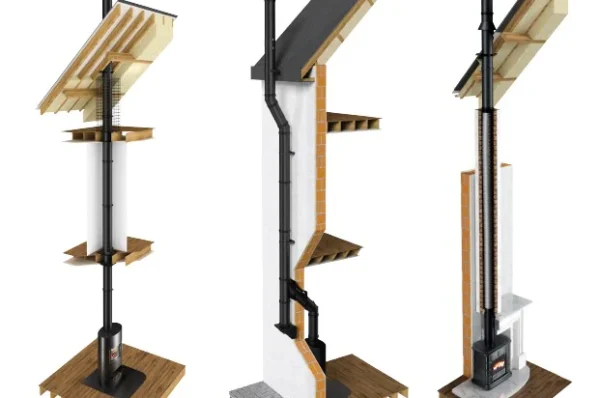
An insulated flue kit is an essential component for modern heating systems, ensuring the safe and efficient removal of smoke and gases from fireplaces, wood stoves, or heating appliances. These kits provide thermal insulation, which protects both your home and the flue system itself. Choosing the right insulated flue kit is critical for optimal performance, safety, and long-term durability. In this article, we will explore what an insulated flue kit is, its benefits, types, installation guidelines, and maintenance tips to help you make an informed decision.
What is an Insulated Flue Kit?
An insulated flue kit is a pre-assembled system designed to channel combustion gases safely from a stove, fireplace, or heating appliance to the outside atmosphere. It typically consists of a double-walled pipe: an inner stainless steel tube that carries the hot gases and an outer tube with insulation in between. This insulation reduces heat loss, prevents condensation, and protects surrounding structures from excessive heat.
The flue system is crucial for maintaining the efficiency of your heating appliance and ensuring your home’s safety. Without proper flue systems, harmful gases like carbon monoxide can accumulate, posing serious health risks.
Benefits of an Insulated Flue Kit
Investing in an insulated flue kit offers multiple advantages:
Enhanced Safety
The insulation prevents excessive heat transfer to surrounding materials, reducing the risk of fires. Properly installed insulated flue systems also prevent sparks from escaping, ensuring a safer environment.
Improved Efficiency
Insulated flues maintain higher flue temperatures, which improves the draft and helps appliances burn fuel more efficiently. This leads to better energy utilization and lower heating costs.
Condensation Prevention
Condensation in flues can lead to corrosion over time. The thermal insulation keeps the flue walls warm, minimizing condensation and extending the life of your chimney system.
Versatility in Installation
Insulated flue kits are suitable for both internal and external installations, making them versatile for different building designs and requirements.
Compliance with Regulations
Modern building codes often require insulated flue kits to ensure safety and efficiency. Using a certified kit ensures compliance with local and national regulations.
Types of Insulated Flue Kits
Insulated flue kits come in several varieties, depending on the type of appliance, installation environment, and desired performance.
Single-Wall Flue Kit with Insulation
This type features a single stainless steel pipe wrapped with insulating material. It is commonly used in internal installations where additional support is not required.
Double-Wall Flue Kit
Double-wall flue kits have an inner pipe for smoke and gases and an outer pipe separated by insulation. This design provides superior thermal efficiency and is ideal for external walls or roof penetration.
High-Temperature Flue Kit
Designed for appliances that reach very high temperatures, these kits use specialized insulation materials capable of withstanding extreme heat without degrading.
Flexible Flue Kit
Flexible insulated flue kits are designed for installations where rigid pipes are difficult to fit, such as in older homes or complex chimney paths. They allow easy maneuvering while maintaining safety and efficiency.
Choosing the Right Insulated Flue Kit
Selecting the right kit depends on several factors:
Type of Heating Appliance
Ensure the flue kit is compatible with your stove, fireplace, or boiler. Different appliances require different diameters, materials, and insulation levels.
Installation Location
Consider whether the flue will pass through the roof, walls, or external areas. External installations may require thicker insulation to withstand colder temperatures.
Material Quality
Stainless steel flues are preferred for their corrosion resistance, durability, and long lifespan. Cheaper alternatives may not provide the same protection against heat and condensation.
Length and Diameter
Flue diameter affects the draft and efficiency of your appliance. An undersized flue can cause smoke spillage, while an oversized flue may reduce draft efficiency. Consult with a professional to determine the correct dimensions.
Compliance and Certification
Always choose flue kits certified to meet local building codes and safety standards. Certified kits ensure reliable performance and reduce liability risks.
Installation of an Insulated Flue Kit
Proper installation is critical for safety and performance. Here’s a general guide:
Planning the Route
Identify the path from the appliance to the outside. Ensure the flue has a clear vertical path with minimal bends to optimize draft.
Assembling the Components
Follow the manufacturer’s instructions to assemble the flue sections. Ensure the inner and outer pipes are correctly aligned, and insulation is properly positioned.
Securing the Flue
Use brackets or supports to secure the flue in place, especially for long vertical runs. This prevents movement and ensures stability.
Sealing Joints
Seal all joints with high-temperature sealant or gaskets provided by the manufacturer. Proper sealing prevents smoke leaks and enhances energy efficiency.
Roof or Wall Penetration
If passing through walls or roofs, use flashing and fireproof collars to protect surrounding structures from heat exposure.
Inspection and Testing
After installation, test the appliance to ensure proper draft and no smoke leakage. It’s recommended to have a professional inspect the installation for safety compliance.
Maintenance of Insulated Flue Kits
Regular maintenance extends the life of your flue system and ensures safety:
- Annual Cleaning: Soot and creosote buildup can reduce efficiency and pose fire hazards. Clean the flue annually, especially for wood-burning appliances.
- Check Insulation Integrity: Inspect the insulation for damage or moisture infiltration. Replace if necessary.
- Examine Joints and Seals: Ensure all joints remain tight and sealed to prevent leaks.
- Monitor for Corrosion: Stainless steel resists corrosion, but regular inspection helps detect early signs of wear.
Common Mistakes to Avoid
- Incorrect Flue Diameter: Using the wrong size can cause smoke spillage or poor draft.
- Improper Insulation Installation: Gaps in insulation can lead to heat loss and condensation.
- Bypassing Local Regulations: Non-compliant installations risk fines and safety hazards.
- Neglecting Maintenance: Ignoring cleaning and inspections can reduce efficiency and increase fire risks.
Conclusion
An insulated flue kit is a vital investment for anyone using a stove, fireplace, or heating appliance. It enhances safety, improves efficiency, and prolongs the lifespan of your chimney system. Choosing the right type, ensuring proper installation, and maintaining the flue regularly are essential steps to reap maximum benefits.
By understanding the features, types, and benefits of insulated flue kits, homeowners and installers can make informed decisions, creating a safer, more energy-efficient, and reliable heating system. Whether for a modern home, a commercial building, or a traditional fireplace, an insulated flue kit ensures peace of mind and optimal performance.