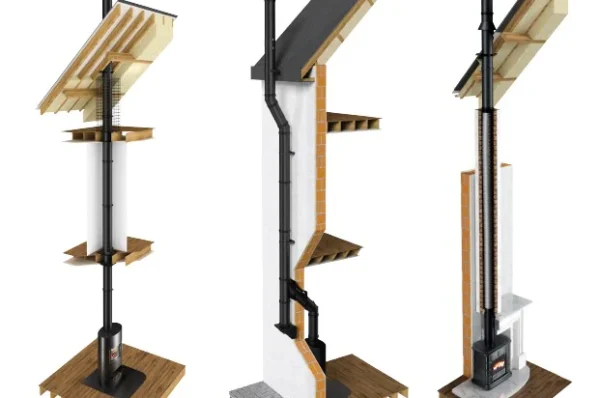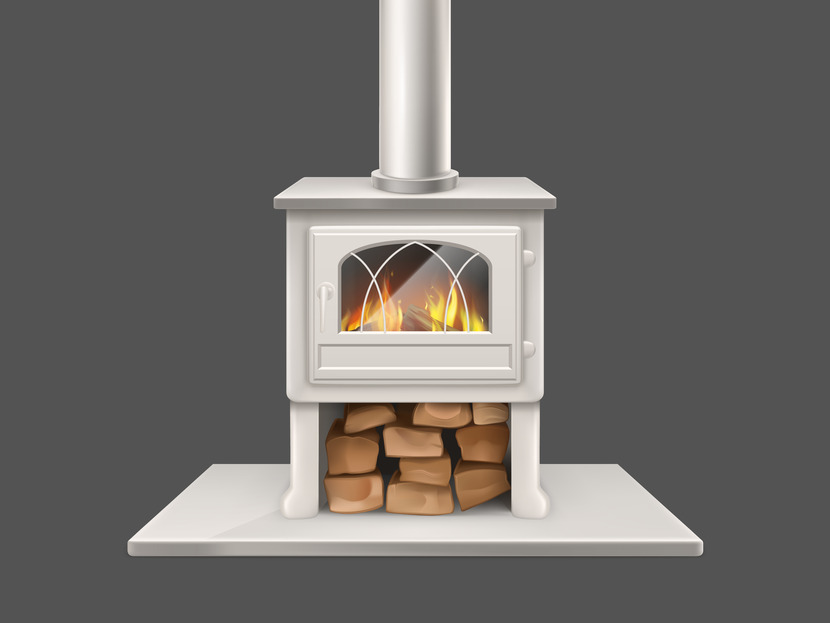
When it comes to heating your home efficiently during the chilly months in Brisbane, nothing compares to a well-functioning wood stove. But one essential component often overlooked is the stove pipe. The stove pipe is a crucial element that channels smoke and gases from your wood stove safely out of your home. Choosing the right stove pipe, installing it correctly, and maintaining it properly ensures not only efficient heating but also the safety of your household. In this comprehensive guide, we’ll cover everything you need to know about stove pipe for wood stove brisbane.
What is a Stove Pipe?
A stove pipe is a cylindrical tube, typically made of metal, that connects your wood stove to a chimney or directly vents outside. It serves as a conduit for smoke, fumes, and gases produced by burning wood, directing them safely away from living areas. Stove pipes are usually made from:
- Galvanized steel: Affordable but less heat-resistant.
- Black steel: Most common for wood stoves, durable, and heat-resistant.
- Stainless steel: Corrosion-resistant and long-lasting, often used in modern installations.
The correct stove pipe helps maximize the efficiency of your wood stove by improving draft, reducing creosote buildup, and minimizing the risk of smoke entering your home.
Types of Stove Pipes for Wood Stoves
When shopping for a stove pipe for a wood stove in Brisbane, there are several options to consider:
Single-Wall Stove Pipes
- Made of a single layer of metal, usually black steel.
- Ideal for connecting the stove to a chimney or for short horizontal runs.
- Requires careful placement due to heat; must maintain safe clearances from walls and combustible materials.
Double-Wall Stove Pipes
- Features two layers of metal with an air gap in between.
- Reduces the outer surface temperature, making it safer to install near walls.
- Improves draft efficiency and reduces condensation and creosote formation.
Class A Chimney Systems
- Fully insulated pipes designed for long vertical runs, often used in modern wood stove setups.
- Handles higher temperatures and outdoor exposure.
- Ideal for Brisbane homes that require venting through roofs or open areas.
Choosing the Right Stove Pipe in Brisbane
Several factors influence the selection of the best stove pipe for your wood stove:
- Stove type and size: Larger stoves require larger diameter pipes for proper draft.
- Home layout: Vertical runs provide better draft, while horizontal runs need careful planning.
- Material preference: Stainless steel for longevity, black steel for cost-effectiveness.
- Local building codes: Brisbane regulations may dictate pipe type, clearance distances, and installation methods.
Always consult with a licensed installer or local council to ensure your stove pipe meets all safety and compliance standards.
Installation Tips for Stove Pipes
Installing a stove pipe requires attention to detail to ensure safety and performance. Here’s a step-by-step guide:
Measure Your Space
- Determine the distance between your stove and the chimney exit.
- Account for bends and angles in the pipe run.
Choose the Right Diameter
- Most wood stoves in Brisbane use 150mm to 200mm diameter pipes.
- Using the correct diameter prevents smoke backflow and improves draft.
Maintain Proper Clearances
- Single-wall pipes: At least 300mm from combustible materials.
- Double-wall pipes: Minimum 150mm clearance.
- Install heat shields where needed to protect walls and ceilings.
Secure Connections
- Use high-temperature screws or rivets to attach pipe sections.
- Ensure vertical alignment for optimal draft.
Seal and Inspect
- Apply stove cement or high-temperature sealant at joints if recommended by the manufacturer.
- Inspect for gaps or loose connections before use.
Maintenance and Safety Tips
A well-maintained stove pipe prolongs the life of your wood stove and prevents hazards:
Regular Cleaning
- Clean your stove pipe at least twice a year.
- Remove creosote buildup to prevent chimney fires.
Inspection
- Check for rust, cracks, or loose connections.
- Inspect after heavy use or storms, especially if exposed outdoors.
Smoke Detectors and Fire Safety
- Install smoke and carbon monoxide detectors near your wood stove.
- Keep a fire extinguisher nearby for emergencies.
Proper Wood Usage
- Burn seasoned hardwood to reduce creosote and maximize heat output.
- Avoid burning treated or painted wood, which can damage the pipe and release toxic fumes.
Benefits of a Quality Stove Pipe
Investing in a high-quality stove pipe offers several advantages:
- Improved efficiency: Proper draft ensures better fuel combustion.
- Enhanced safety: Reduces the risk of chimney fires and smoke inhalation.
- Longevity: Corrosion-resistant materials last longer, saving replacement costs.
- Compliance: Meets Brisbane building codes and insurance requirements.
Where to Buy Stove Pipes in Brisbane
Brisbane offers numerous suppliers and installers for wood stove pipes:
- Specialty heating stores: Offer a wide range of pipe materials and accessories.
- Hardware and home improvement stores: Convenient for standard sizes.
- Online retailers: Provide delivery and installation guidance for DIY enthusiasts.
When purchasing, always check for quality certifications and compatibility with your stove brand.
Common Mistakes to Avoid
- Using the wrong diameter pipe: Can cause smoke backflow.
- Insufficient clearance from walls or ceiling: Fire hazard risk.
- Neglecting maintenance: Leads to dangerous creosote buildup.
- Improper venting direction: Reduces efficiency and increases smoke inside the home.
Avoiding these errors ensures your wood stove operates safely and efficiently.
Conclusion
A stove pipe is more than just a metal tube—it’s a lifeline for your wood stove, ensuring smoke exits safely while optimizing heating efficiency. In Brisbane, where regulations and climate considerations come into play, selecting the right stove pipe, installing it correctly, and maintaining it regularly is essential. By following these tips, homeowners can enjoy the warmth and charm of a wood stove without compromising safety. Whether you’re upgrading your existing setup or installing a new stove, investing in a quality stove pipe is a step toward a safer and cozier home this winter.