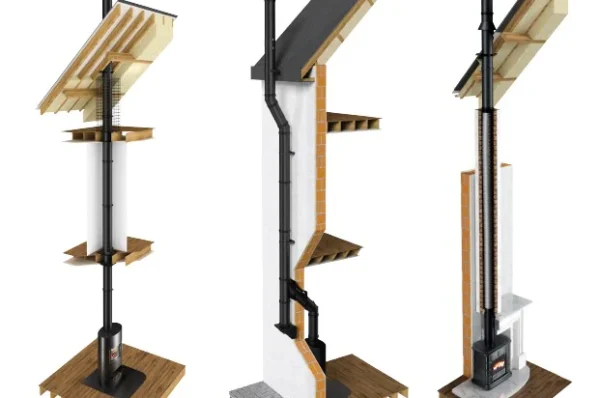
In Brisbane, wood-burning stoves have become a popular choice for homeowners seeking efficient heating solutions. These stoves not only provide warmth but also add a cozy, rustic charm to any living space. However, a key component of any wood stove system is the wood stove pipe, which ensures that smoke, gases, and heat are safely channeled out of your home. This article provides a comprehensive guide to wood stove pipes in Brisbane, covering types, installation, maintenance, safety tips, and regulations.
Understanding Wood Stove Pipes
A wood stove pipe is a metal conduit that connects your wood stove to a chimney, venting smoke and combustion gases outside. It is a critical part of the heating system because it ensures proper draft, efficient burning, and safe removal of hazardous fumes such as carbon monoxide.
The pipe must withstand high temperatures and resist corrosion caused by creosote, a flammable byproduct of wood combustion. Choosing the right stove pipe is crucial for safety, efficiency, and longevity.
Types of Wood Stove Pipes
When selecting a wood stove pipe in Brisbane, homeowners encounter several options, each with its own advantages:
Single-Wall Stove Pipe
- Constructed from a single layer of steel.
- Affordable and easy to install.
- Best used for interior sections of the stove system.
- Requires careful clearance from combustible materials (typically 450mm minimum).
Double-Wall Stove Pipe
- Features two layers of steel with insulation in between.
- Retains heat within the pipe, improving draft and efficiency.
- Reduces creosote buildup and keeps outer pipe cooler.
- Can be installed closer to walls (usually 150mm clearance), making it ideal for tight spaces.
Class A Chimney Pipe
- A high-quality, insulated pipe designed for both interior and exterior use.
- Perfect for long chimney runs and rooftop installations in Brisbane homes.
- Provides maximum safety, efficiency, and durability.
Galvanized vs. Black Steel Pipes
- Black steel pipes are preferred for wood stoves due to their heat resistance.
- Galvanized pipes can release toxic fumes if overheated and are generally not recommended for wood stoves.
Choosing the Right Wood Stove Pipe for Brisbane Homes
Selecting the ideal pipe involves considering the following factors:
- Home Layout: High ceilings, multi-level homes, and roof pitch influence pipe length and type.
- Pipe Diameter: Matches the stove’s flue collar (typically 5–6 inches for standard wood stoves).
- Efficiency: Double-wall and insulated pipes improve stove efficiency and reduce heat loss.
- Aesthetics: Many homeowners choose black steel pipes for a sleek, classic look that complements interior décor.
- Local Climate: Brisbane’s humid subtropical climate makes moisture-resistant pipes essential to prevent rust and corrosion.
Installation of Wood Stove Pipes in Brisbane
Proper installation is vital for safety, stove performance, and compliance with local regulations. Here’s a step-by-step overview:
Planning and Measuring
- Determine the shortest, most direct path for the flue from the stove to the chimney or roof exit.
- Measure the height from the stove to the roof or chimney top, keeping in mind that taller installations improve draft.
Clearances
- Maintain minimum clearances from walls, ceilings, and floors. Brisbane building codes generally require:
- 450mm for single-wall pipes
- 150mm for double-wall pipes
- Use heat shields when necessary for walls and ceilings near the stove pipe.
Connecting Pipe Sections
- Start with the stove’s flue collar and connect pipe sections with proper fittings.
- Ensure all joints are tight and sealed with high-temperature stove cement if needed.
- Angle upward slightly to promote upward draft; avoid downward slopes or horizontal runs longer than 1–2 feet.
Exterior Penetration
- Roof or wall penetration must be sealed with flashing and high-temperature caulking to prevent leaks.
- Install a chimney cap or spark arrestor to keep out debris, rain, and wildlife.
Inspection and Compliance
- In Brisbane, local council regulations may require inspection and certification of wood stove installations.
- Always consult a licensed installer or chimney specialist to ensure compliance with Australian Standards (AS/NZS 2918:2018).
Maintenance of Wood Stove Pipes
Regular maintenance keeps your wood stove safe and efficient. Key maintenance tasks include:
Cleaning
- Creosote and soot buildup can cause chimney fires. Clean pipes at least twice per season or more if the stove is used heavily.
- Use a chimney brush sized to your pipe diameter.
Inspection
- Check for rust, corrosion, cracks, and loose joints.
- Inspect seals and flue caps to prevent leaks and water ingress.
Replacing Damaged Sections
- Replace any section showing severe corrosion or damage to maintain safety and efficiency.
- Opt for high-quality black steel or stainless steel replacement pipes for longevity.
Stove Efficiency
- A clean and well-maintained pipe improves draft, reduces smoke in the home, and increases fuel efficiency.
Safety Tips for Brisbane Homeowners
Wood stoves are safe when used correctly, but improper use of stove pipes can create hazards. Follow these tips:
- Never Use Galvanized Pipes for Wood Stoves – They can release toxic fumes.
- Keep Combustibles Away – Maintain clearance between the pipe and furniture, curtains, and walls.
- Install Carbon Monoxide Detectors – Always have working CO detectors near sleeping areas.
- Use a Chimney Cap – Prevents sparks, debris, and animals from entering the flue.
- Regular Inspection – Inspect your wood stove pipe annually or after heavy use.
Wood Stove Pipes and Brisbane Regulations
The City of Brisbane has specific regulations for solid fuel heating appliances, including wood stoves. Key points include:
- Compliance with AS/NZS 2918:2018 – Outlines installation standards for chimneys and flues.
- Smoke Control Areas – Some suburbs may have restrictions on open fireplaces and wood-burning stoves to reduce air pollution.
- Professional Installation – Certified installers are recommended to ensure all safety and compliance standards are met.
Failure to comply may result in fines or insurance issues in case of fire or damage.
Benefits of Investing in a Quality Wood Stove Pipe
Choosing a high-quality wood stove pipe provides multiple benefits:
- Safety: Reduces the risk of chimney fires and carbon monoxide poisoning.
- Efficiency: Better draft and heat retention lead to lower fuel consumption.
- Durability: Long-lasting materials withstand high temperatures and Brisbane’s humid conditions.
- Aesthetic Appeal: Enhances the overall look of your living space.
Where to Buy Wood Stove Pipes in Brisbane
Several suppliers in Brisbane provide a wide range of wood stove pipes and accessories:
- Local Hardware Stores: Bunnings, Mitre 10, and smaller independent stores carry standard pipes and fittings.
- Specialty Fireplace Shops: Offer premium pipes, chimney kits, and installation services.
- Online Retailers: Convenient for browsing different sizes, materials, and brands.
Always choose reputable suppliers to ensure compliance with Australian standards and to avoid safety hazards.
Final Thoughts
A wood stove pipe is far more than just a metal tube – it is a vital component of your home heating system. Proper selection, installation, and maintenance ensure not only efficient heating but also the safety of your family and home.
For Brisbane homeowners, considering local climate, building codes, and stove type is essential. Investing in high-quality pipes, professional installation, and regular maintenance ensures your wood stove delivers warmth and comfort for years to come.