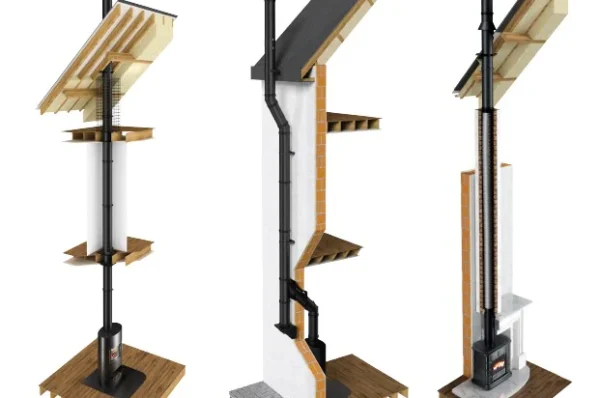
A wood stove pipe is one of the most critical components of any wood-burning stove system. While the stove itself generates heat, the stove pipe safely channels smoke, gases, and combustion byproducts out of your home. Choosing the right wood stove pipe, installing it correctly, and maintaining it properly are essential for safety, efficiency, and long-term performance.
In this in-depth guide, we’ll cover everything you need to know about wood stove pipes—from types and materials to installation tips, safety standards, and maintenance best practices.
What Is a Wood Stove Pipe?
A wood stove pipe (also called stovepipe or flue pipe) is the metal piping that connects your wood stove to the chimney. Its main function is to vent smoke and exhaust gases produced during combustion while maintaining proper draft to keep the fire burning efficiently.
Unlike chimneys, which typically run through walls or ceilings and extend outside the building, stove pipes are usually visible inside the room where the stove is installed.
Why Choosing the Right Wood Stove Pipe Matters
Selecting the correct wood stove pipe is not just about performance—it’s about safety. An improper pipe can lead to:
- Smoke leakage into living spaces
- Poor draft and inefficient burning
- Increased creosote buildup
- Fire hazards due to overheating or clearance issues
A high-quality, correctly installed wood stove pipe ensures:
Types of Wood Stove Pipes
Understanding the different types of wood stove pipes is the first step toward choosing the right one for your setup.
Single-Wall Stove Pipe
Single-wall stove pipe is the most common and affordable option for indoor installations.
Features:
- Made from a single layer of steel
- Radiates heat back into the room
- Requires more clearance from combustible materials
Pros:
- Cost-effective
- Easy to install
- Helps heat the room directly
Cons:
- Higher clearance requirements (typically 18 inches)
- Not suitable for passing through walls or ceilings
Double-Wall Stove Pipe
Double-wall stove pipe consists of an inner and outer wall with an air gap in between.
Features:
- Improved insulation
- Reduced surface temperature
- Better draft performance
Pros:
- Requires less clearance from combustibles
- More efficient venting
- Safer for tighter spaces
Cons:
- More expensive than single-wall pipe
- Slightly less radiant heat
Triple-Wall (Class A) Chimney Pipe
While technically not a stove pipe, Class A chimney pipe is essential once the venting system passes through walls, ceilings, or exits the building.
Features:
- Designed for high-temperature exhaust
- Heavy insulation for maximum safety
Use case:
- Connecting the stove pipe to the exterior chimney
- Required by building codes for through-wall or through-roof installations
Materials Used in Wood Stove Pipes
The material of your wood stove pipe affects durability, performance, and appearance.
Black Steel
- Most common material
- Affordable and durable
- Suitable for indoor use
Galvanized Steel
- Not recommended for wood stove pipes
- Zinc coating can release toxic fumes when heated
Stainless Steel
- Highly durable and corrosion-resistant
- Often used in chimney sections
- More expensive but long-lasting
Wood Stove Pipe Sizes and Diameters
Wood stove pipes typically range from 5 to 8 inches in diameter, with 6 inches being the most common size.
Important tip:
Always match the stove pipe diameter to the stove’s flue collar. Reducing or increasing pipe size can:
- Decrease efficiency
- Cause smoke backup
- Violate manufacturer guidelines and safety codes
Wood Stove Pipe Installation Basics
Proper installation is essential for safe and efficient operation.
Pipe Direction
Stove pipe sections should be installed with the crimped (male) end pointing toward the stove. This prevents creosote and condensation from leaking out of the joints.
Clearances
- Single-wall pipe: Typically 18 inches from combustible materials
- Double-wall pipe: Often 6 inches (check manufacturer specifications)
Always follow local codes and manufacturer instructions.
Horizontal Runs
- Keep horizontal sections as short as possible
- Maintain a slight upward slope (¼ inch per foot) toward the chimney
Ceiling and Wall Penetrations
Never run standard stove pipe through walls or ceilings. Use:
- Approved wall thimbles
- Class A chimney pipe for transitions
Common Wood Stove Pipe Configurations
Straight Vertical Installation
- Best draft and efficiency
- Minimal creosote buildup
- Preferred by professionals
Rear Vent with Elbows
- Used when vertical installation is not possible
- Requires careful planning to maintain draft
- May need additional cleaning
Creosote and Wood Stove Pipe Safety
Creosote is a highly flammable byproduct of wood combustion that accumulates inside stove pipes and chimneys.
How to reduce creosote buildup:
- Burn only dry, seasoned firewood
- Maintain proper airflow
- Avoid smoldering fires
- Clean the stove pipe regularly
Neglecting creosote removal is one of the leading causes of chimney fires.
Maintenance and Cleaning of Wood Stove Pipes
Regular maintenance extends the life of your wood stove pipe and ensures safe operation.
How Often to Clean
- Inspect monthly during heating season
- Clean at least once per year
- More frequently if used heavily
Cleaning Methods
- Use a stove pipe brush sized for your pipe diameter
- Remove sections if necessary for deep cleaning
- Inspect joints, seams, and fasteners
Signs Your Wood Stove Pipe Needs Replacement
Over time, even high-quality stove pipes wear out. Look for:
- Rust or corrosion
- Warping or discoloration
- Loose or damaged joints
- Smoke leakage
If any of these signs appear, replacing the affected sections is essential for safety.
Building Codes and Safety Standards
Most regions follow standards set by organizations such as:
- NFPA (National Fire Protection Association)
- Local building authorities
Always:
- Check local regulations
- Follow manufacturer installation instructions
- Consult a certified installer if unsure
Compliance is critical for insurance coverage and home resale value.
Choosing the Best Wood Stove Pipe for Your Home
When selecting a wood stove pipe, consider:
- Stove manufacturer requirements
- Installation layout
- Clearance limitations
- Budget and long-term durability
A professional consultation can help ensure the best and safest choice.
Benefits of a Properly Installed Wood Stove Pipe
A correctly chosen and installed wood stove pipe offers:
- Improved heating efficiency
- Safer indoor air quality
- Reduced fire risk
- Longer stove and chimney lifespan
It’s an investment that pays off in comfort, safety, and peace of mind.
Conclusion
A wood stove pipe is far more than a simple metal tube—it is a vital safety and performance component of your wood heating system. From choosing between single-wall and double-wall pipes to ensuring proper installation and maintenance, every detail matters. By understanding the types, materials, sizes, and safety considerations, you can create a wood stove setup that is efficient, code-compliant, and built to last.
Whether you’re installing a new wood stove or upgrading an existing system, investing in the right wood stove pipe and proper installation will ensure warm, safe, and reliable heating for years to come.