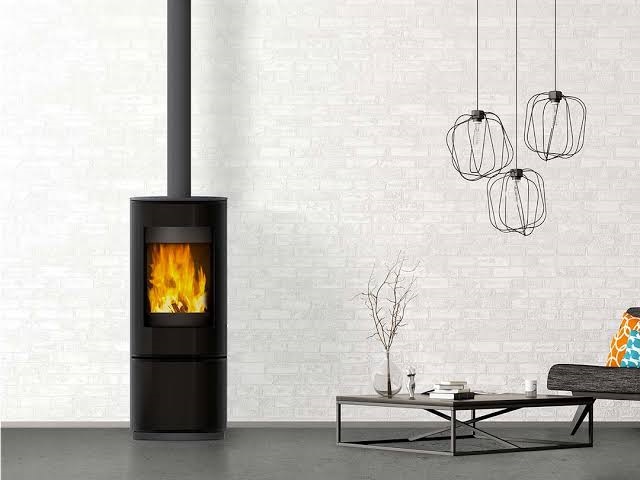
A wood-burning stove can create a warm and comfortable atmosphere during the cooler months. However, choosing the right flue components is essential for safe operation and effective smoke ventilation. Homeowners need a suitable system that works with their stove, fits their property, and meets Australian installation requirements.
A Stove pipe for wood stove Brisbane homes is an important part of a wood-heating system. It helps carry smoke and combustion gases away from the stove and towards the outdoor flue outlet. Whether you are installing a new wood heater or replacing an existing component, understanding the available options can help you make a better purchasing decision.
What Is a Stove Pipe for a Wood Stove?
A stove pipe is a component that connects a wood heater to its flue or chimney system. It provides a passage for hot gases produced when wood burns.
The correct pipe must match the heater’s outlet size, the approved flue system, and the installation requirements. Choosing an unsuitable component can affect ventilation, increase fire risks, and reduce heating performance.
In Brisbane, homeowners should consider their building layout, roof structure, and the location of nearby windows or neighbouring properties when planning a wood heater installation.
Why Is Choosing the Right Stove Pipe Important?
Safe Smoke Ventilation
A properly designed flue system helps direct smoke and combustion gases outside rather than allowing them to enter the living space. Correct installation also supports the natural draft needed for a wood stove to operate effectively.
Poorly matched components, unsuitable flue heights, or incorrect installation can contribute to smoke problems and unsafe conditions. The Australian Home Heating Association explains that wood heater flue systems must meet applicable installation requirements.
Better Heating Performance
The design of the flue system can influence how efficiently smoke moves out of the stove. A suitable system helps maintain the draft required for combustion and can make it easier to operate the heater as intended.
The pipe diameter, overall flue arrangement, and number of bends should follow the heater manufacturer’s instructions. Avoid selecting components based on appearance or price alone.
Long-Term Durability
Wood stove pipes are exposed to high temperatures and combustion by-products. Selecting components specifically designed for the intended application helps support safe, long-term use.
Material quality, joint construction, and compatibility with the complete flue system are important considerations. Regular inspection and cleaning are also necessary to identify damage or excessive deposits.
Types of Stove Pipes Available
Single-Wall Stove Pipe
Single-wall pipe is commonly used for the connector section between a wood heater and the start of a suitable chimney system. It can be appropriate where the installation provides the required clearance from combustible materials.
Because these pipes become hot during operation, their use and placement must follow the applicable installation instructions.
Double-Wall Stove Pipe
Double-wall pipe uses two layers of material to help manage heat transfer and may allow different clearances from combustible surfaces when approved for that purpose.
It is important to distinguish a double-wall connector pipe from an insulated flue system designed for ceiling and roof penetrations. These components are not automatically interchangeable.
Insulated Flue Systems
Insulated flue systems are designed for installations that require specialised components through or near building structures. Depending on the product, a system may include insulated sections, ceiling components, roof flashing, and an appropriate cowl.
Using compatible components from an approved system is essential. Mixing unrelated products or improvising connections can create serious fire risks.
How to Choose the Best Stove Pipe for Your Home
Check Compatibility With Your Wood Heater
Before purchasing, confirm the required pipe diameter and connection type in the heater’s installation manual. Different models may require specific flue arrangements and approved accessories.
If you are replacing an existing pipe, check its condition and confirm that the original system meets the requirements for your particular heater.
Consider Your Roof and Ceiling Layout
Every property has a different layout. Some installations can use a relatively straight vertical flue, while others require additional components to pass safely through the ceiling and roof.
A qualified installer can assess the building structure, required clearances, roof penetration, and flue termination position before recommending suitable parts.
Prioritise Quality and Compliance
A lower purchase price does not always mean better value. Incorrect or incompatible components may lead to installation problems and additional costs.
Choose products designed for solid-fuel heating and verify that the complete system complies with applicable Australian requirements, including AS/NZS 2918 where relevant.
Why Professional Installation Matters in Brisbane
Installing a wood heater involves more than connecting a pipe to the appliance. The complete system must provide appropriate clearances, support, weatherproofing, and flue termination.
Professional installation helps ensure that the heater and flue are suitable for the property. It also helps reduce the risk of smoke entering the home, overheating nearby materials, or creating a fire hazard.
Brisbane homeowners should confirm the current requirements with a qualified installer and the relevant authorities before beginning installation work.
How to Maintain Your Wood Stove Pipe
Regular maintenance helps keep a wood heater operating safely. Inspect accessible components for corrosion, loose joints, visible damage, or signs of smoke leakage.
Arrange appropriate flue cleaning to remove accumulated creosote and other deposits. Burn only dry, seasoned, untreated wood and follow the appliance manufacturer’s operating instructions. Queensland Government guidance also recommends proper heater maintenance and the use of suitable fuel.
If you notice smoke entering the room, unusual odours, or signs of overheating, stop using the heater until the issue has been assessed.
Conclusion
Choosing the right stove pipe for wood stove Brisbane homes requires attention to compatibility, durability, ventilation, and installation safety. From suitable connector pipes to complete insulated flue systems, every component must work correctly with the selected wood heater.
By checking manufacturer instructions, choosing compatible products, and arranging professional installation, homeowners can create a safer and more dependable heating system. Regular maintenance and correct fuel use will also help support reliable performance throughout the heating season.