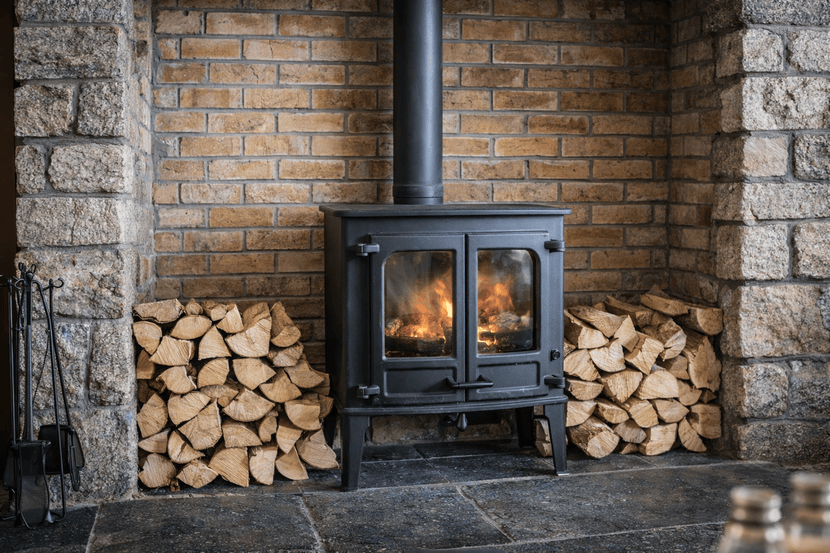
When it comes to keeping your Brisbane home warm during chilly nights, nothing beats the charm and efficiency of a firewood heater. But a critical component often overlooked is the firewood heater flue in Brisbane. A properly installed and maintained flue ensures your heater operates safely, efficiently, and effectively. In this guide, we’ll cover everything you need to know about firewood heater flues in Brisbane—from types and installation to maintenance and safety tips.
What is a Firewood Heater Flue?
A firewood heater flue is the pipe or duct that channels smoke and combustion gases from your firewood heater to the outside atmosphere. Flues play a vital role in:
- Ensuring safety: Preventing smoke and harmful gases like carbon monoxide from entering your home.
- Improving efficiency: Optimizing airflow for better combustion and heat output.
- Reducing maintenance: Proper flues minimize creosote buildup and chimney blockages.
Without a proper flue, even the best firewood heater can underperform or become a safety hazard.
Types of Firewood Heater Flues
Brisbane homeowners can choose from several types of flues depending on their heating system, home design, and budget.
Stainless Steel Flues
- Resistant to corrosion and rust.
- Ideal for homes with high humidity or coastal areas near Brisbane.
- Long-lasting and requires minimal maintenance.
Galvanized Steel Flues
- Affordable and widely available.
- Less durable than stainless steel but suitable for many standard installations.
- Requires periodic inspection for rust and corrosion.
Double-Wall Flues
- Features two layers of metal with an air gap in between.
- Retains heat better, improving the efficiency of your firewood heater.
- Reduces condensation, lowering the risk of creosote buildup.
Single-Wall Flues
- Simple and cost-effective option.
- Must maintain safe distances from combustible materials.
- Often used in older installations or for short-run flues.
Choosing the Right Flue for Your Brisbane Home
Selecting the right flue depends on several factors:
- Heater Size and Type
Match the flue diameter with the heater’s specifications to ensure proper draft. - Roof Type
The slope and material of your roof may influence flue installation. Brisbane homes often feature tiled or metal roofs, which require careful flashing to prevent leaks. - Local Climate
Brisbane’s humid subtropical climate makes corrosion-resistant materials like stainless steel highly recommended. - Building Regulations
Always check Brisbane City Council requirements and Australian Standards for flue installation, especially regarding clearances and roof penetration.
Installation of Firewood Heater Flues
Correct installation is crucial for safety and performance. Improper installation can lead to poor draft, smoke spillage, or even house fires.
Steps for Installing a Flue:
- Planning the Route
Decide whether the flue will go through the ceiling, wall, or roof. Avoid unnecessary bends to maintain proper airflow. - Installing Flashing and Cowl
Roof flashing prevents leaks where the flue penetrates the roof, and a cowl helps prevent rain, debris, and birds from entering. - Sealing Joints
Use high-temperature sealants to secure joints and prevent smoke leakage. - Maintaining Clearances
Ensure the flue is positioned at a safe distance from walls, ceilings, and combustible materials according to Australian Standards (AS/NZS 2918:2018). - Testing the Draft
Once installed, light a small fire to check that smoke rises properly through the flue.
Maintenance of Firewood Heater Flues
Routine maintenance extends the life of your flue and keeps your home safe.
Key Maintenance Tips:
- Regular Cleaning: Remove soot and creosote at least once a year, or more often during heavy use.
- Inspect for Damage: Check for rust, corrosion, or loose joints.
- Check Clearances: Ensure no nearby objects obstruct the flue.
- Professional Inspection: Hire a licensed Brisbane chimney sweep for a thorough annual inspection.
Neglecting maintenance can result in poor heating efficiency and a serious fire hazard.
Safety Considerations
Safety is the most critical aspect of any firewood heater installation.
- Carbon Monoxide Detectors: Install detectors in living areas to monitor harmful gases.
- Fireproof Surrounds: Use non-combustible materials around your heater.
- Proper Ventilation: Ensure sufficient airflow in the room to avoid smoke accumulation.
- Avoid Overloading: Don’t burn more wood than recommended for your heater and flue capacity.
Where to Buy Firewood Heater Flues in Brisbane
Brisbane has a wide range of suppliers for firewood heater flues:
- Specialty Fireplace Stores: Offer expert advice and installation services.
- Hardware Stores: Home improvement chains like Bunnings stock basic flue systems.
- Online Retailers: Convenient for delivery, with options for stainless steel, double-wall, and custom flues.
When buying, always consider quality, warranty, and local compliance with Australian Standards.
Cost Considerations
The cost of a firewood heater flue varies based on material, size, and installation complexity:
- Single-Wall Flues: AUD 200–400
- Double-Wall Flues: AUD 400–800
- Stainless Steel Flues: AUD 500–1000+
- Professional Installation: AUD 300–800 depending on roof access and complexity
Investing in a high-quality flue is worthwhile—it ensures long-term safety and efficient heating.
Advantages of Upgrading Your Flue
Upgrading your firewood heater flue offers several benefits:
- Enhanced Heating Efficiency: Proper draft ensures your heater burns more efficiently.
- Lower Maintenance: Reduced soot and creosote buildup.
- Improved Safety: Minimizes risk of smoke backflow and carbon monoxide exposure.
- Aesthetic Appeal: Modern flues blend seamlessly with your home interior or exterior.
Conclusion
A firewood heater flue is more than just a pipe—it’s a critical component of safe, efficient, and effective home heating. For Brisbane residents, selecting the right flue, ensuring proper installation, and maintaining it regularly can make all the difference in your winter comfort. Whether you choose a stainless steel, double-wall, or standard flue, prioritize safety, compliance, and performance.